

6 practices to help you "mental detox": reduce stress and regenerate energy | Safe and Sound
As the new year begins, not only our bodies but also our minds need renewal. After a long year filled with challenges, stress, fatigue, and worries, "mental detox" becomes a great way to recharge and start a new journey. So what is "mental detox" and how can you practice it effectively? Let's explore this through this article with the psychology experts at Safe and Sound !
Ngo Thi Sang | Master of Educational Psychology – Applied to Safe and Sound Mental Health Care
Institute of Applied Medical Technology
1. What is psychological detoxification?
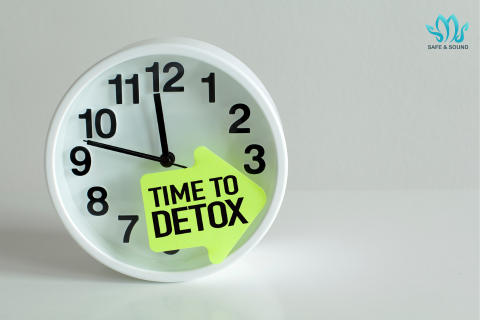 IWhat is psychological detoxification?
"Psychological detox" is a new term among young people, simply understood as the process of "cleaning up" negative emotions, stress, and mental fatigue. Similar to the physical detoxification process to remove harmful substances, psychological detox helps us release negative elements, improve our mental state, and create a mental void, allowing us to comfortably embrace new things in life.
Reasons why you need a mental detox at the beginning of the year.
As we enter a new year, we often carry with us a range of emotions, from joy to anxiety. Psychologists say that a year filled with stress, pressure from work, family, or personal problems can easily linger if we don't have appropriate coping mechanisms.
- Stress reduction: After a busy period, your brain and body are tired, stressed, and lacking energy. Psychological detox helps release stress, allowing your mind to relax and prepare for new challenges.
- Recharging your energy: The beginning of the year is the ideal time to start anew. With a refreshed mind, you'll have more motivation and energy to pursue new goals and plans.
- Explaining negative emotions: Sometimes, negative emotions from the previous year linger in the mind, such as anxiety, disappointment, or feelings of dissatisfaction. Psychological detox helps you clear these stressful emotions so you can move forward without stress.
2. Psychological detox exercises for the beginning of the year
The beginning of the year is a great time to "cleanse" your mind, eliminate stress and negative emotions, and regenerate positive energy. Below are some simple, easy-to-apply practices to help you detox your mind and feel the change right from the start of the year.
2.1. Meditation - Relieving Stress
Meditation is one of the most powerful methods for clearing the mind and reducing stress. Psychologists say that when you practice meditation, you help quiet your mind and free yourself from chaotic thoughts. Meditation helps you connect more deeply with yourself, creates inner peace, and enhances your ability to focus on what matters.
How to do it:
- Choose a quiet, comfortable space, perhaps a corner of the room or in the garden.
- Sit up straight, place your hands on your thighs or knees, close your eyes, and focus on your breath.
- Inhale deeply through your nose, allowing your abdomen to expand as you inhale, then exhale slowly through your mouth or nose.
When thoughts intrude, simply acknowledge them and gently bring your attention back to your breath.
- Maintain a meditation practice for 10-20 minutes each day to help your mind relax and prepare for the challenges of the new year.
2.2. Writing in a journal - releasing emotions
Psychologists say that journaling is a great way to release lingering emotions and thoughts. Writing down your feelings helps you become more self-aware and understand what's happening in your life. The beginning of the year is an ideal opportunity to record your new feelings, plans, and goals.
How to do it:
- Each day, dedicate at least 10 minutes to writing about your feelings and thoughts. You don't need to follow a fixed structure; just write naturally and honestly.
- Write down the goals you want to achieve in the new year, the stressful emotions you want to release, and the changes you wish to make in your life.
Write down the things you are grateful for in the past year and the positive things you hope to receive in the coming year.
2.3. Deep Breathing Exercises - Instant Stress Relief
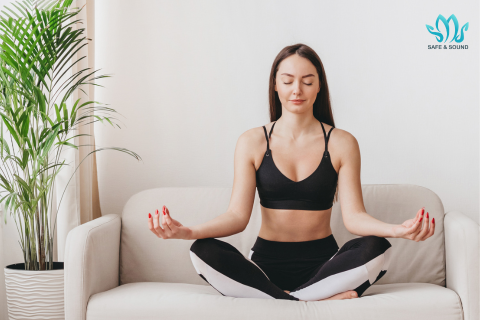 Deep breathing exercises help reduce stress instantly.
According to psychologists, deep breathing is a simple yet effective technique for immediate stress reduction, calming the mind, and releasing anxiety. Practicing deep breathing can help you quickly regain composure, while also soothing the nervous system and reducing mental fatigue.
How to do it:
- Sit up straight, gently close your eyes, and breathe in slowly through your nose, counting to 4.
- Hold your breath for 4 seconds, feeling the air fill your body.
- Exhale slowly through your mouth, count to 4, and feel your body relax.
Repeat this process for 5-10 minutes whenever you feel stressed, tired, or anxious.
2.4. Emotional Breathing - Acceptance and Letting Go
To "detoxify" our minds, we need to confront and accept our emotions instead of running away from them. Psychologists share that when you accept your emotions, including negative ones, you will feel lighter and freer. Letting go of emotions that are no longer relevant helps you live a more fulfilling and peaceful life.
How to do it:
- Take time to listen to your emotions. Pay attention to the feelings you are experiencing, from stress to sad or anxious thoughts.
Don't judge or try to change your emotions. Accept that they are a natural part of life and of you.
- After identifying the emotion, imagine that as you exhale, that emotion is like a cloud drifting away, gently and no longer lingering in your mind.
- Practice for 5-10 minutes until you feel more relaxed.
.png)
2.5. Practicing gratitude - boosting positive energy
Gratitude is a wonderful way to boost positive energy, reduce anxiety, and alleviate mental fatigue. Psychologists say that when you focus on the good things in life, you'll experience peace and happiness in every moment.
How to do it:
- Every morning, take a few minutes to think about three things you are grateful for in your life and name them. For example: I am grateful… for….
You can express gratitude for your health, family, work, or the opportunities you've had.
Practicing this every day will help you appreciate life more and create a positive mood to start your day.
2.6. Take a day off to "refresh" yourself.
A "refreshing" day will help you recharge your energy, relax, and release stress. Psychologists suggest this could be a quiet rest at home or a relaxing trip to revitalize your spirit and soul.
How to do it:
- Dedicate a day, or at least a few hours, to doing things you love without worrying about work or responsibilities.
- You can engage in activities such as reading, listening to music, walking outdoors, or pursuing personal hobbies.
- Create a quiet space where the body and mind can fully relax and recover.
Safe and Sound Clinic - Psychological Support and Family Health
With a team of experienced doctors and experts, Safe and Sound Clinic is a pioneer in providing comprehensive healthcare for you and your family, offering services that cover both medical and psychological care.
"Early Prevention—Timely Support—Long-Term Companion."
If you suspect or encounter any physical or mental health issues, please contact HOTLINE 0964 778 911 (phone/Zalo, 24/7) for prompt assistance and support!
HOW TO MAKE AN APPOINTMENT
You can schedule an online or in-person consultation with our experts:
- At SnS Clinic - IMT Institute
- Or download and schedule a consultation through the Safe and Sound app to manage and track your appointments anytime, anywhere.
Safe and Sound (SnS)—a part of the Institute of Medical Technology (IMT)

See more:
4 mindfulness techniques to help you reduce stress and anxiety.
7 things to do to lift your spirits when you're too tired.
A beginner's guide to practicing mindfulness to reduce stress.
